

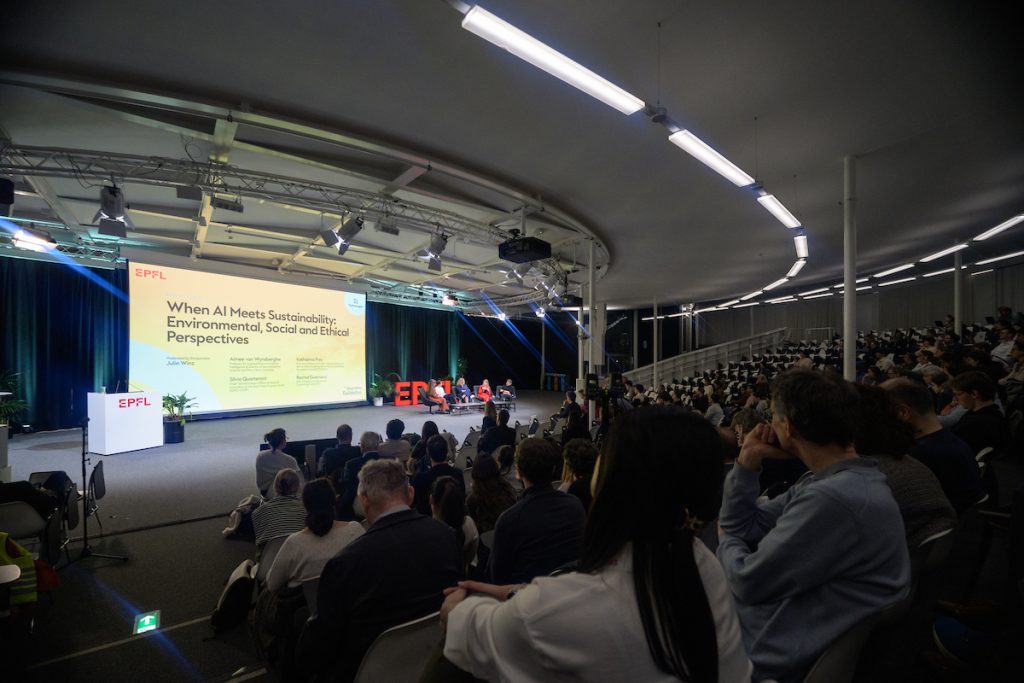
When AI Meets Sustainability: Environmental, Social and Ethical Perspectives
Conference held on March 5th, 2026
Opening event of the Sustainability Days
5:30pm
Doors open
6pm
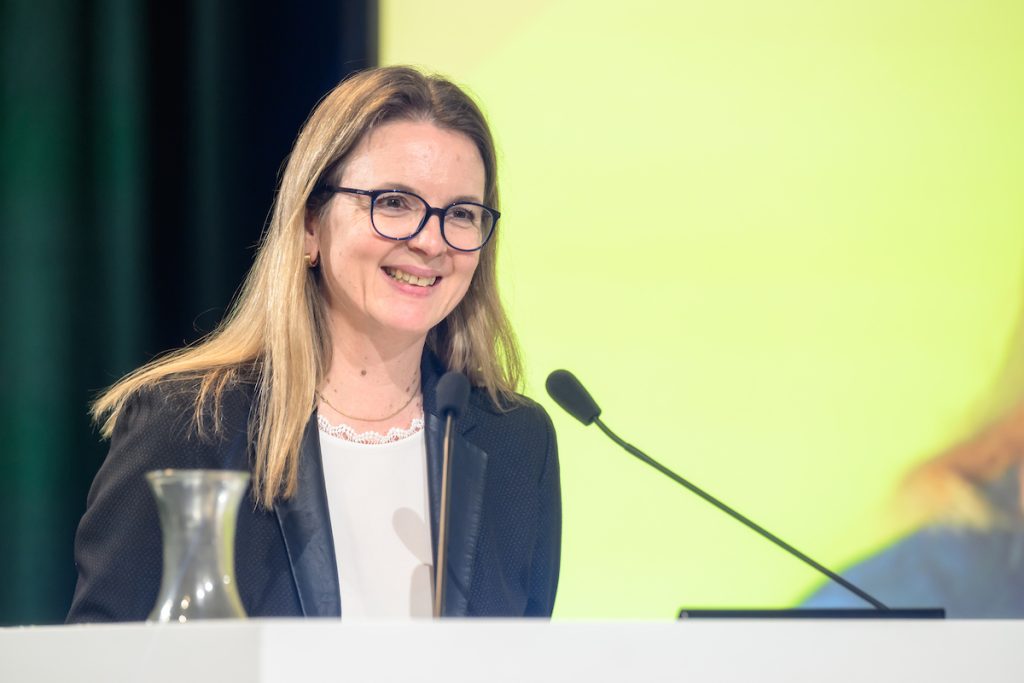
Welcome words and introduction
- Stéphanie Lacour
Vice-President for Support to Strategic Initiatives, EPFL
6:10pm
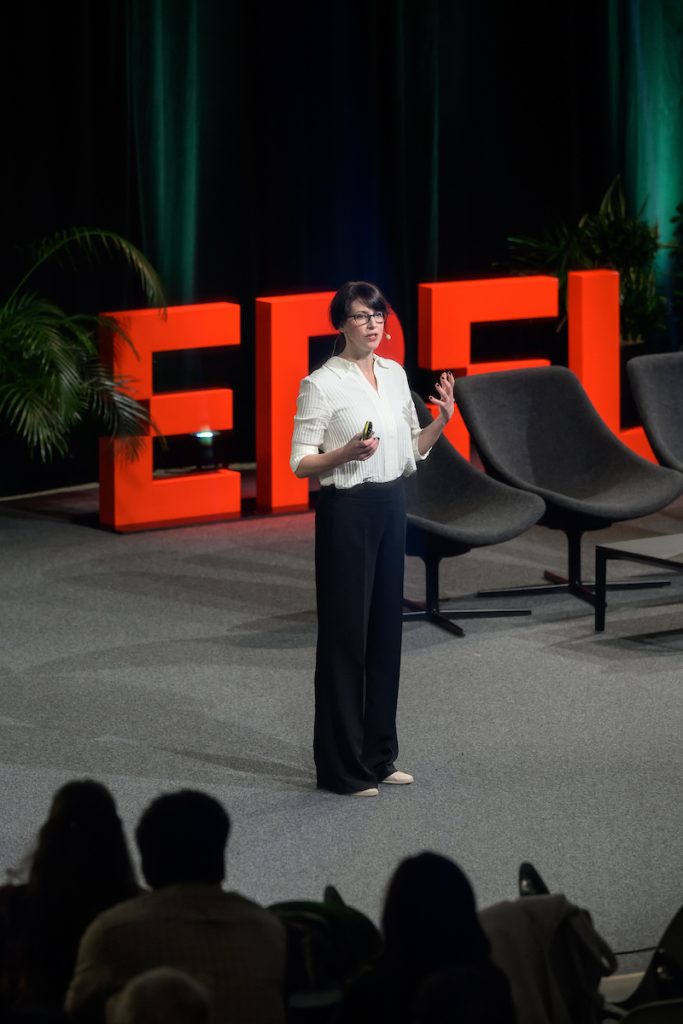
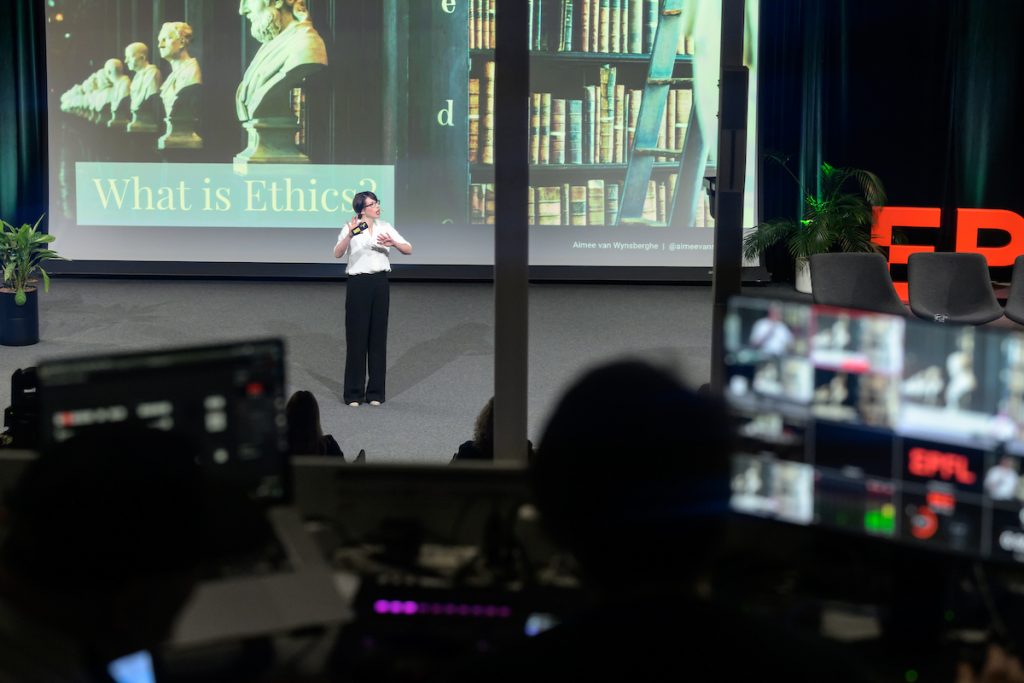
« Repairing AI for Environmental Justice »
- Aimee van Wynsberghe
Professor for Applied Ethics of Artificial Intelligence & Director of the Institute for Science and Ethics, Bonn University
6:40pm
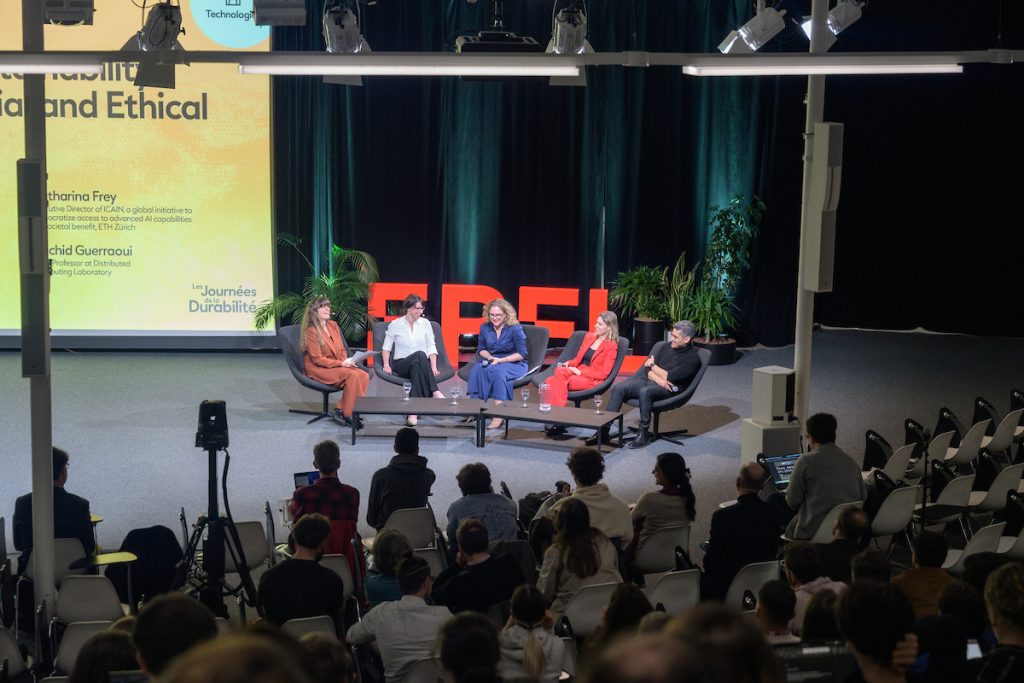
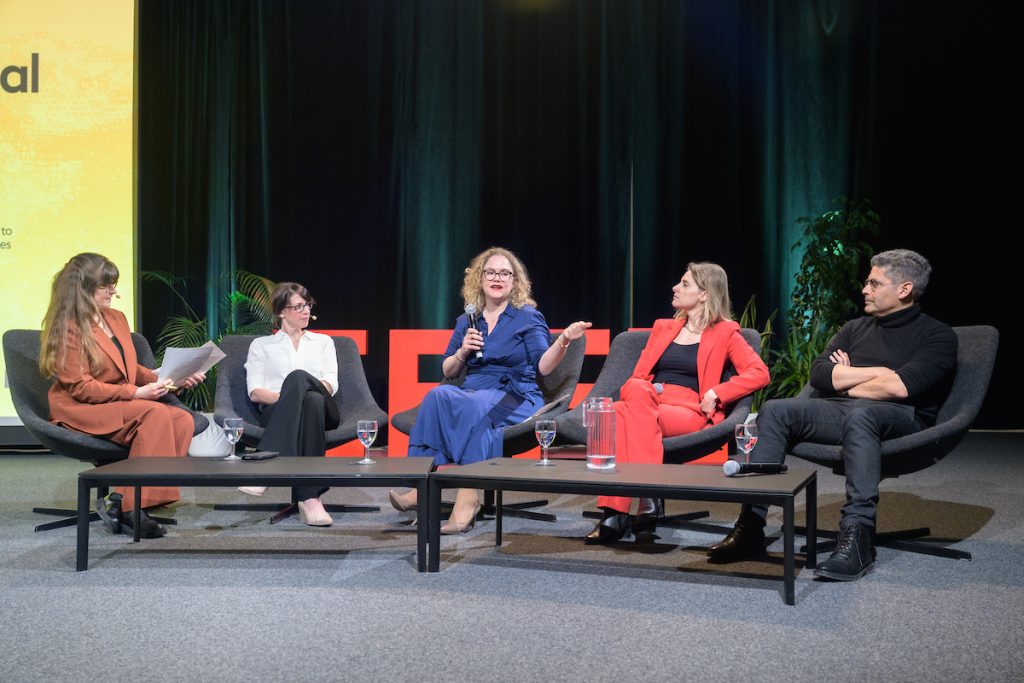
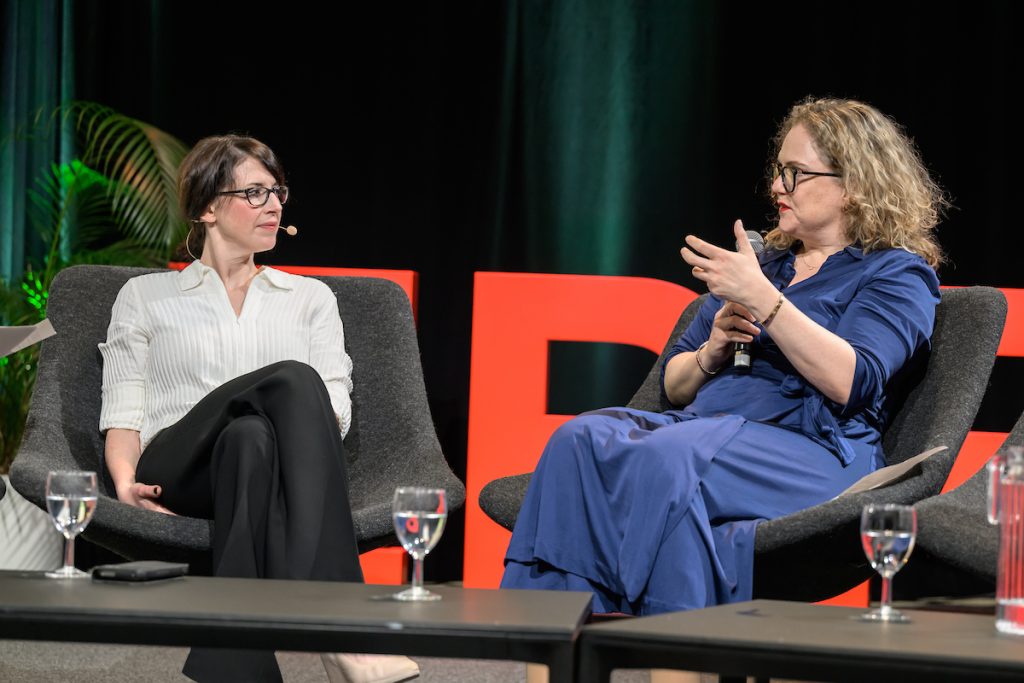
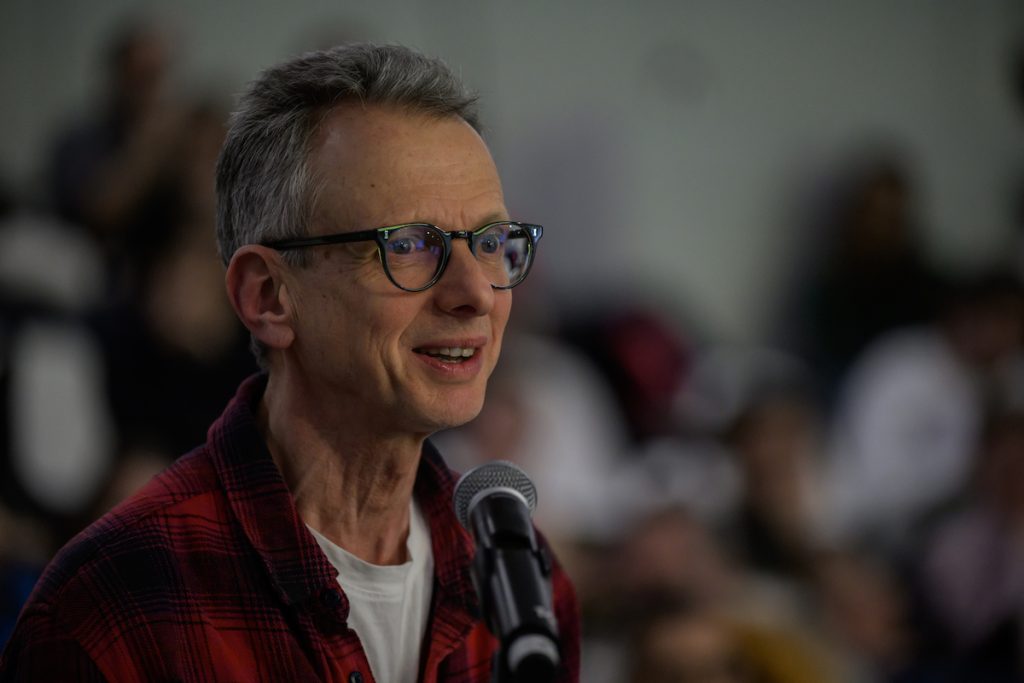
Round table and Q&A
Moderated by the journalist Julie Winz
With:
- Aimee van Wynsberghe
Professor for Applied Ethics of Artificial Intelligence & Director of the Institute for Science and Ethics, Bonn University - Katharina Frey
Executive Director of ICAIN, a global initiative to democratize access to advanced AI capabilities for societal benefit, ETH Zürich - Silvia Quarteroni
Chief Transformation Officer & Head of Innovation at the Swiss Data Science Center (SDSC) of EPFL - Rachid Guerraoui
Full Professor, Distributed Computing Laboratory (DCL), EPFL
7:30pm
Aperitif

Prof. Dr. Aimee van Wynsberghe is the Alexander von Humboldt Professor for the Applied Ethics of Artificial Intelligence (AI) at the University of Bonn. She is director of the Institute for Science and Ethics (IWE) and founder of the Bonn Sustainable AI Lab. She is a member of the German Academy for Sciences and Literature, Mainz, an Advisory Board member for the DAAD Konrad Zuse Schools of Excellence in AI and is a member of the German Federal Ministry for the Environment, Nature Conservation, Nuclear Safety and Consumer Protection’s expert group on “AI and Sustainability”. She has served as a member of the European Commission’s High-Level Expert Group on AI and founding editor for the international peer-reviewed journal AI & Ethics (Springer Nature). Prof. van Wynsberghe has just launched a book series with Springer Nature on the “Philosophy and Ethics of AI” and is author of the book Healthcare Robots: Ethics, Design and Implementation. She regularly appears in the media to promote awareness of the pressing ethical issues surrounding the design and use of robotics and AI in society.
Let us imagine that Artificial Intelligence (AI) is broken. Not in the physical sense in which pieces are falling apart and need to be put together; rather, in the metaphorical sense in which there are serious ethical concerns related to the design and development of AI that demand repair. In this talk I will outline a definition of Sustainable AI as an umbrella term to cover two branches with different aims and methods: AI for sustainability vs the sustainability of AI. I will show that AI for sustainability holds great promise but is lacking in one crucial aspect; it fails to account for the environmental impact from the development of AI. Alternatively, the environmental impact of AI training (and tuning) sits at the core of the sustainability of AI, for example measuring carbon emissions and electricity consumption, water and land usage, and regulating the mining of precious minerals. All of these environmental consequences fall on the shoulders of the most marginalized and vulnerable demographics across the globe (e.g. the slave like working conditions in the mining of minerals, the coastal communities susceptible to unpredictable weather conditions). By placing environmental consequences in the centre one is forced to recognize the environmental justice concerns underpinning all AI models. The question then becomes, how can the AI space be repaired to transform current structures and practices that systemically exacerbate environmental justice issues with the consequence of further marginalizing vulnerable groups.
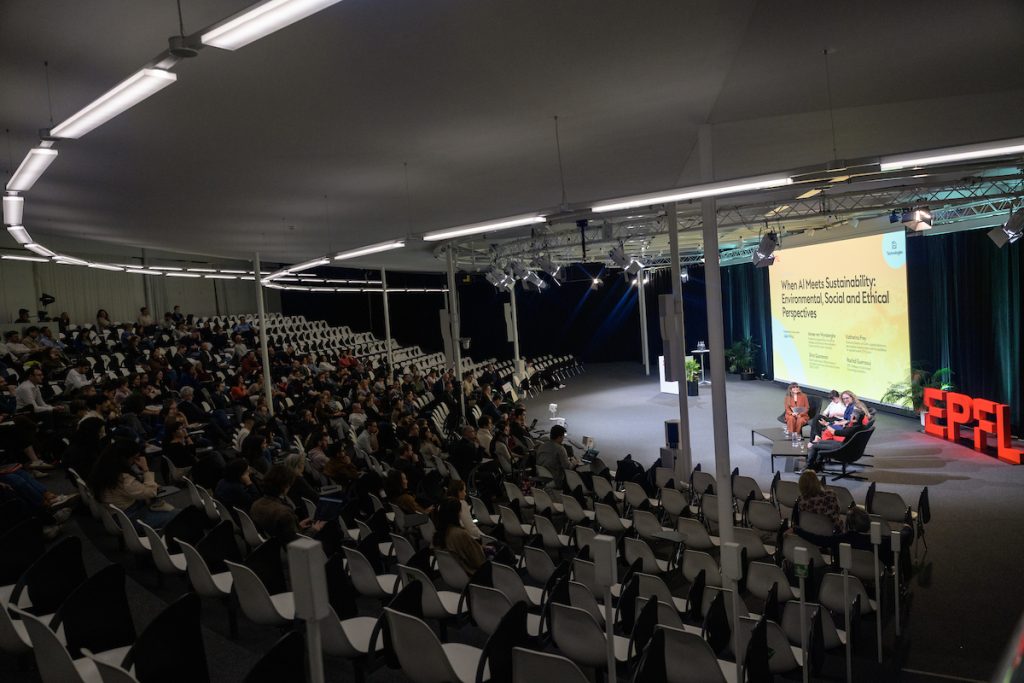
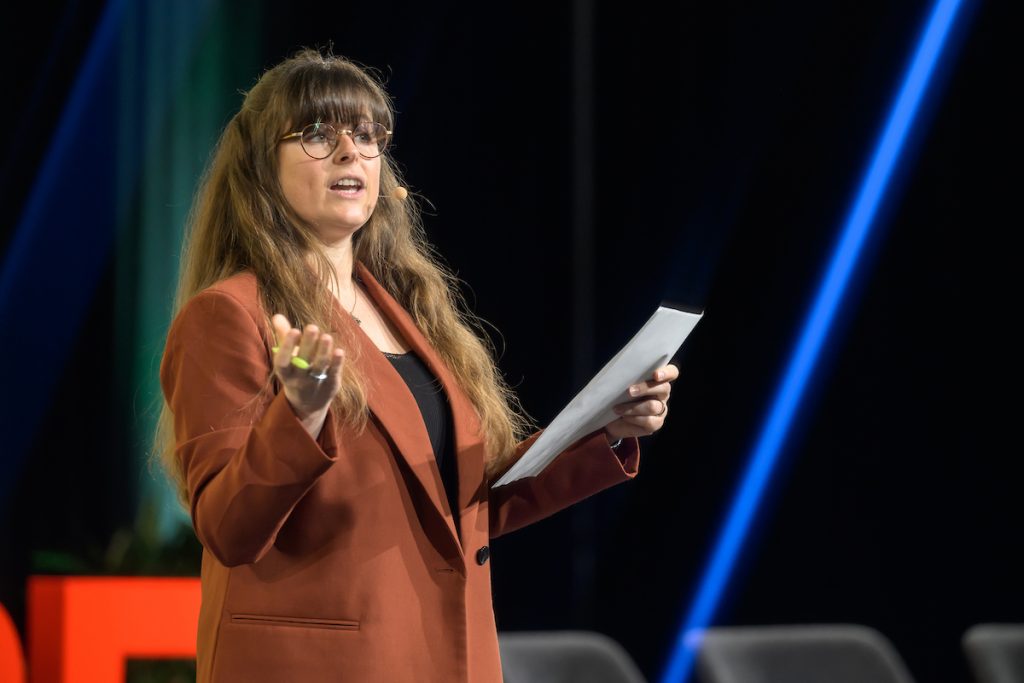
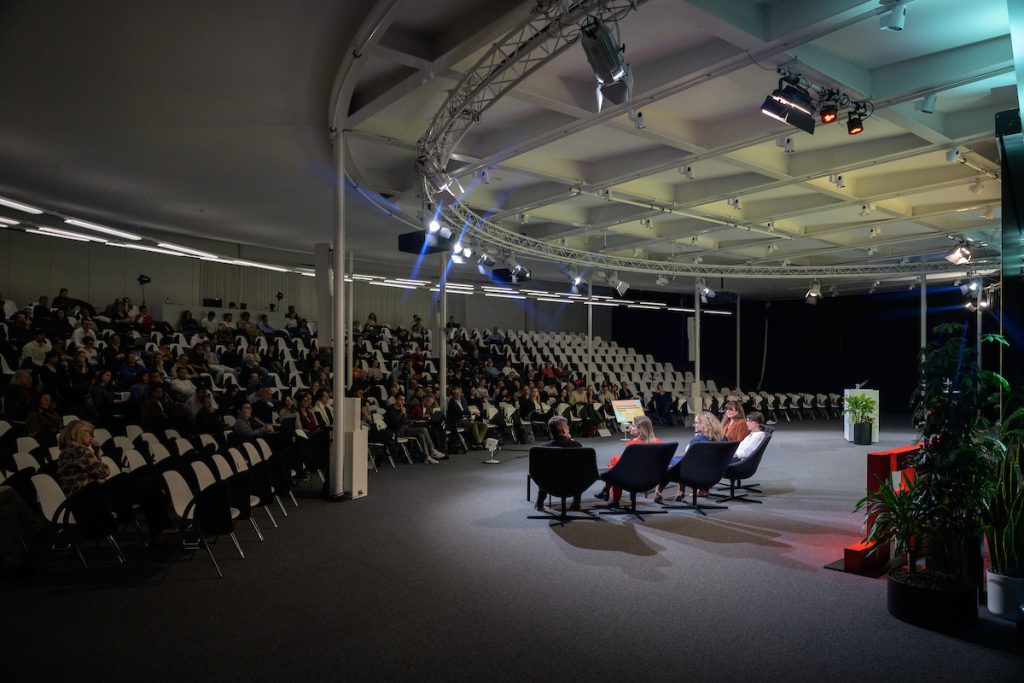
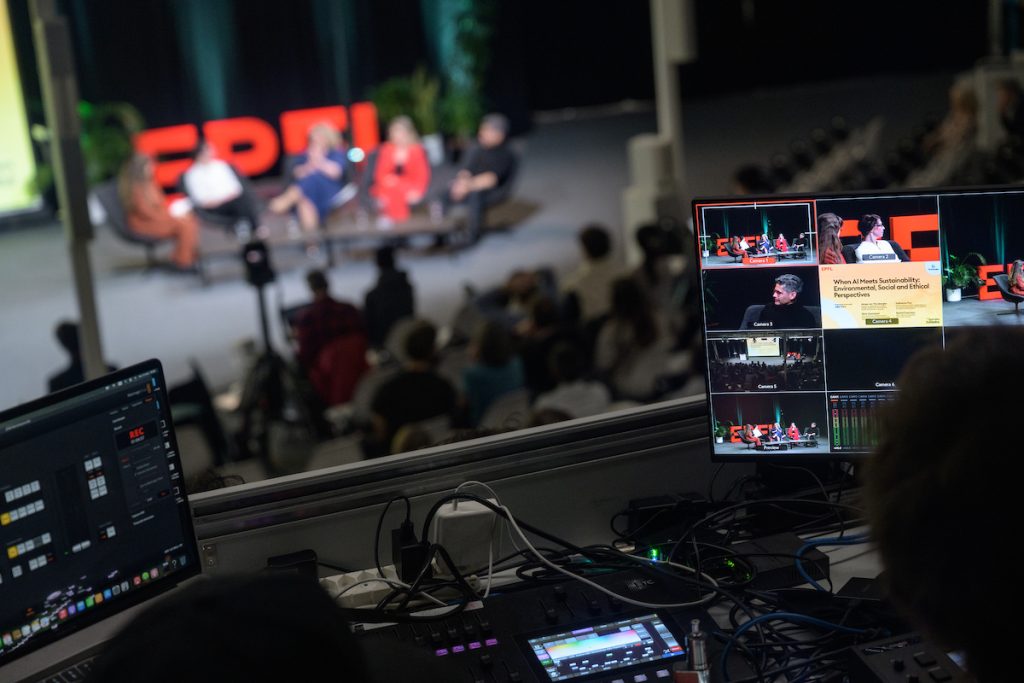
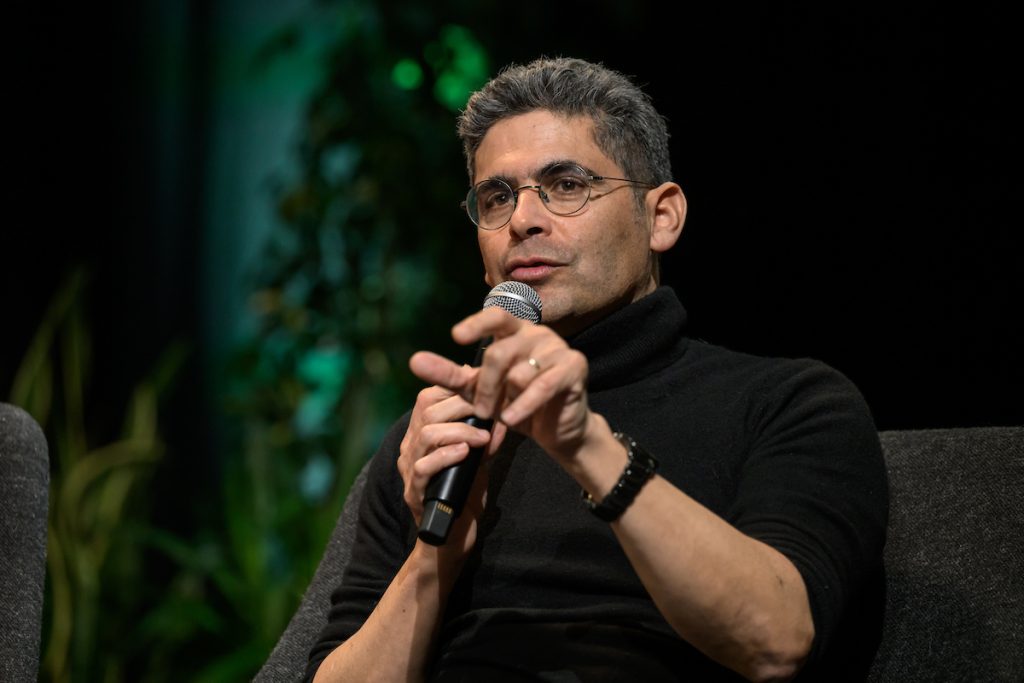
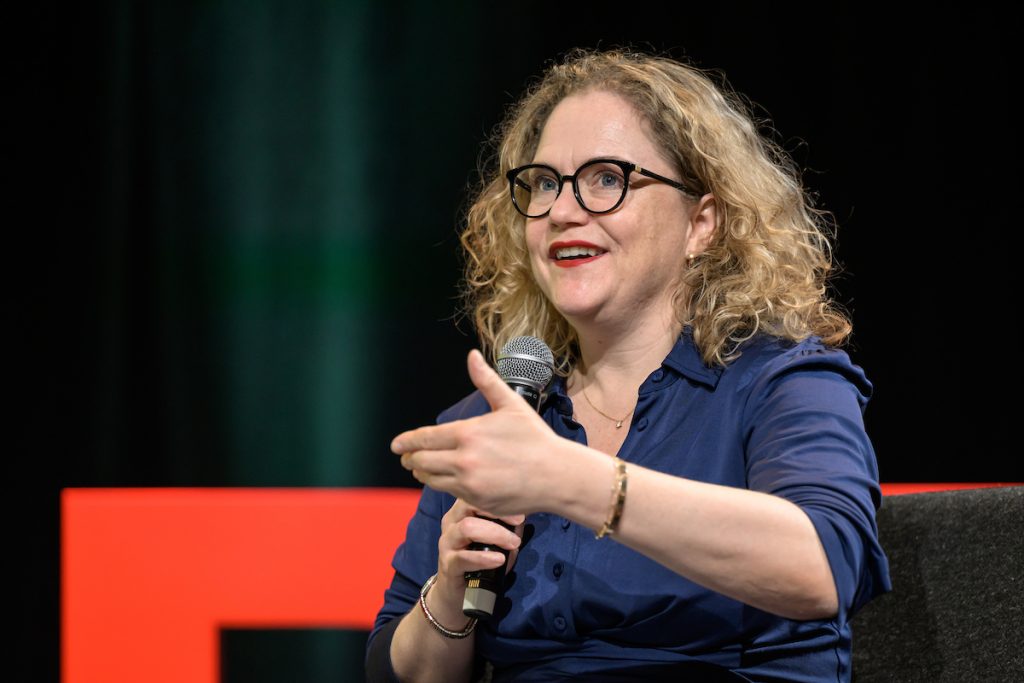
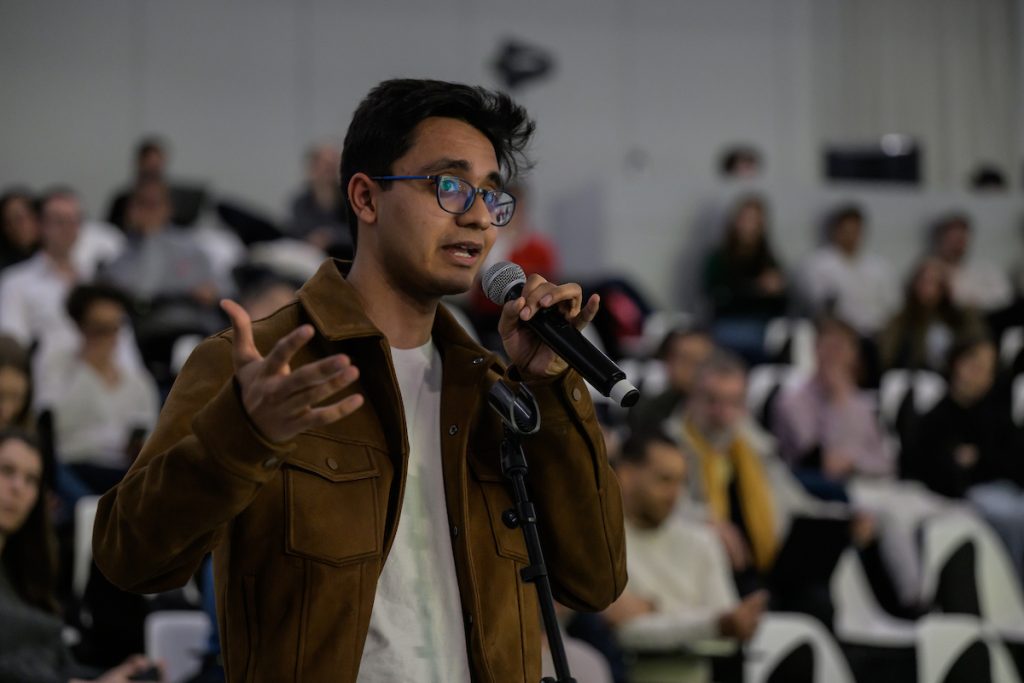
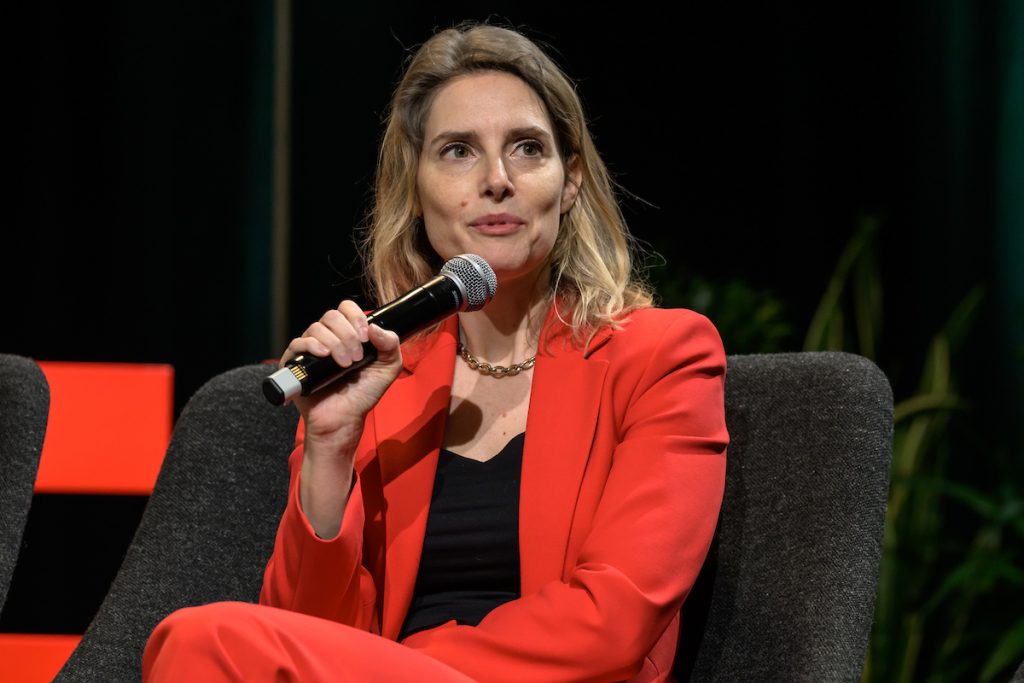
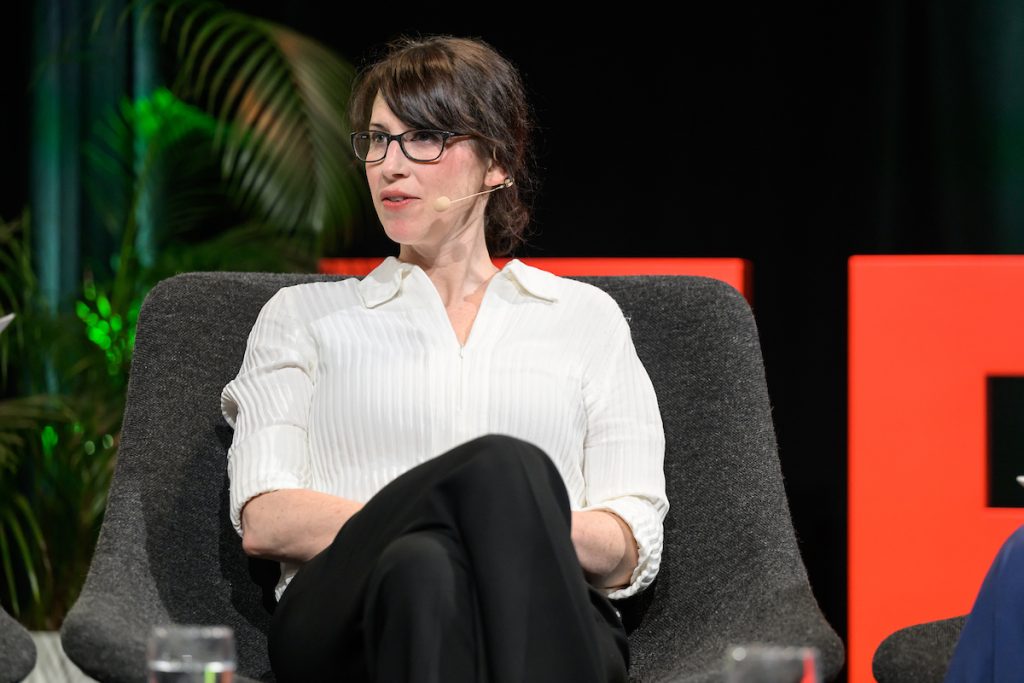
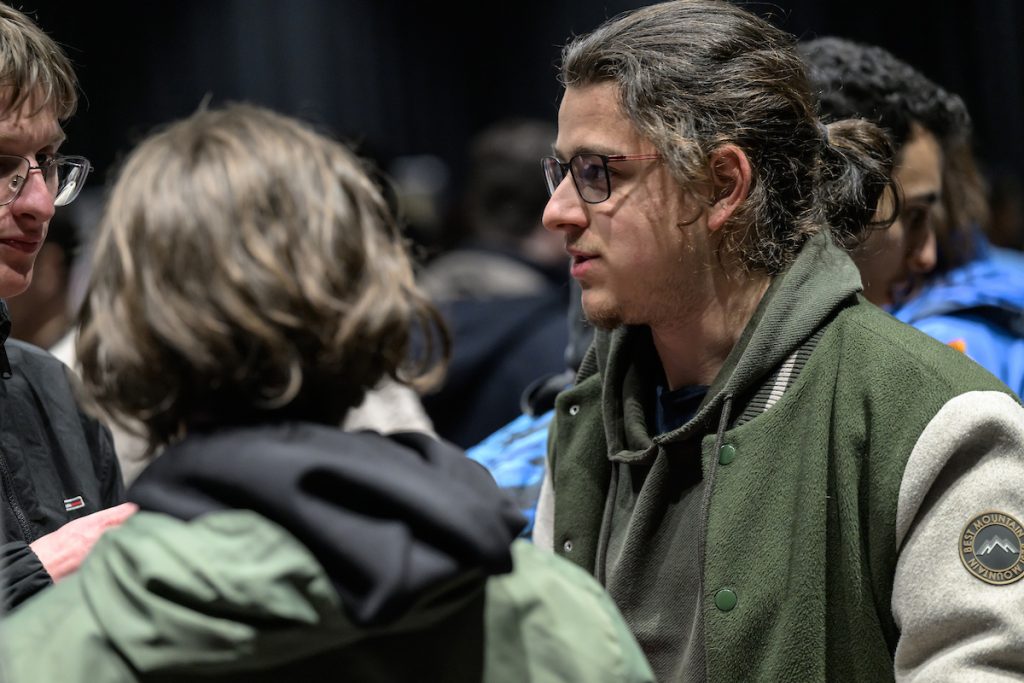
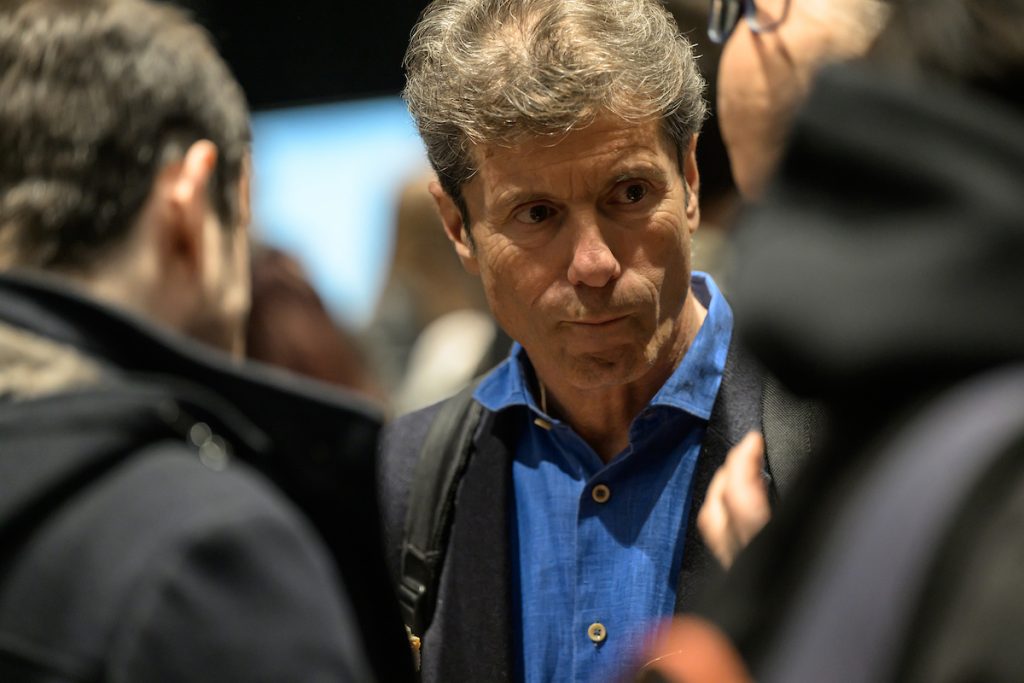
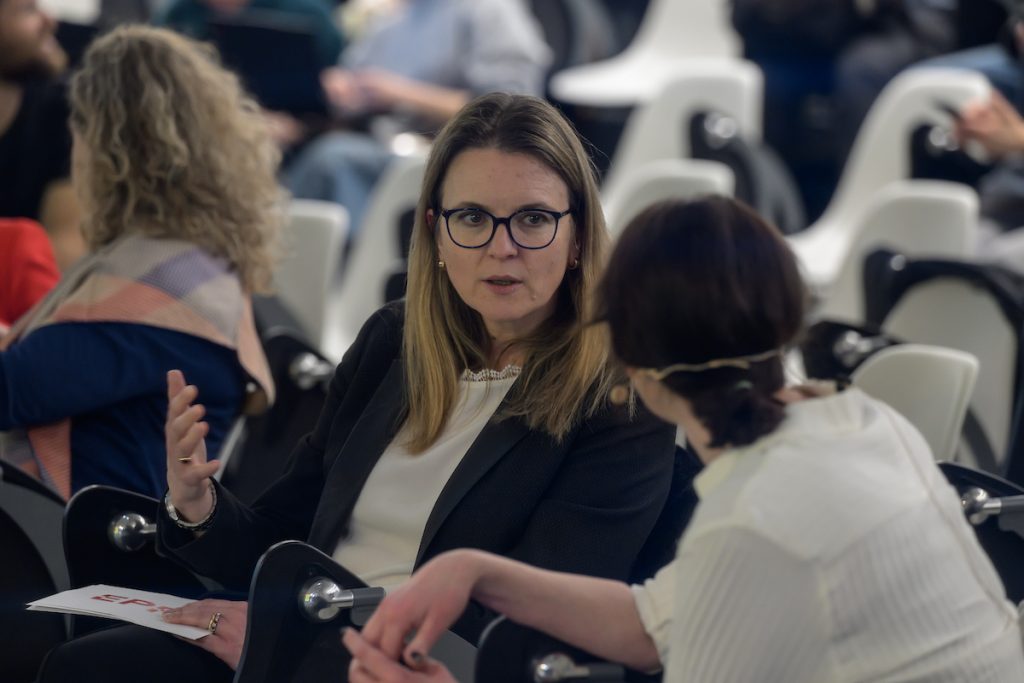
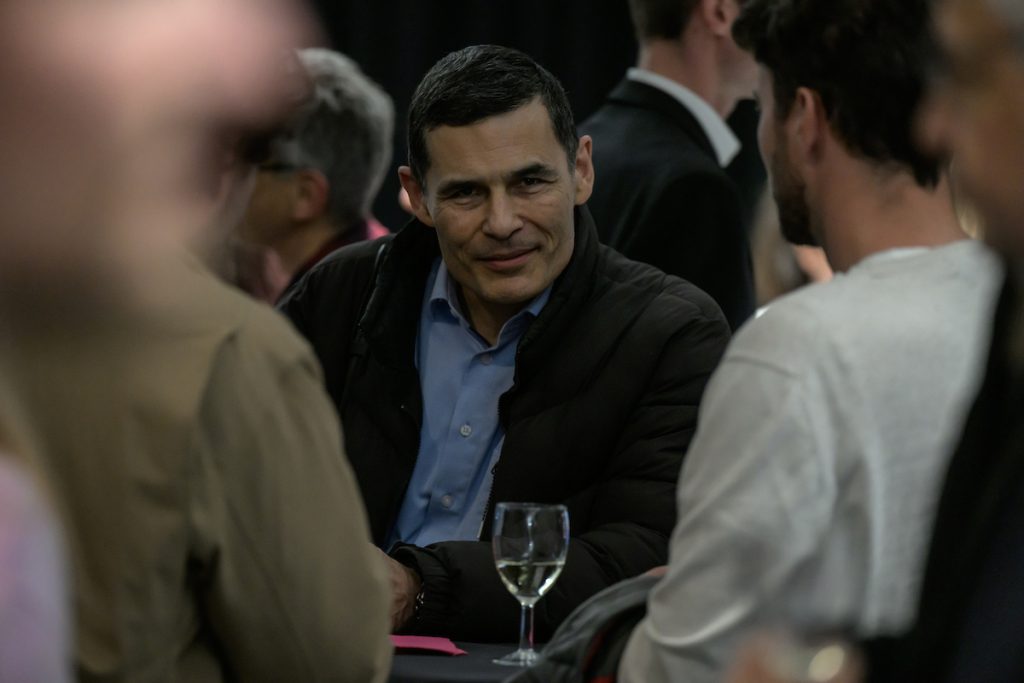
L’événement du 5 mars en images


Other events held on March 5th…

Ça chauffe chez les scientifiques
EXPOSITION
Du 5 au 7 mars
Forum Rolex
En français
Ça chauffe chez les scientifiques, c’est une expo originale sur les scientifiques face à la crise environnementale.
Les scientifiques nous alertent depuis des années sur la crise environnementale. Mais la pratique de la recherche elle-même est loin d’être écologique ou durable! Qu’ont-ils et elles à répondre à ça? Cela a-t-il encore un sens de faire de la recherche aujourd’hui?
La question a été posée à 9 scientifiques: directrice de labo, étudiant·es en sciences, doctorant en climatologie, astrophysicienne, chercheur·es en écologie, chercheur en optique quantique, chercheuse en agronomie…
Coraux de mer Rouge
EXPOSITION
Du 5 au 7 mars
Extérieurs du Rolex Learning Center
En français et en anglais
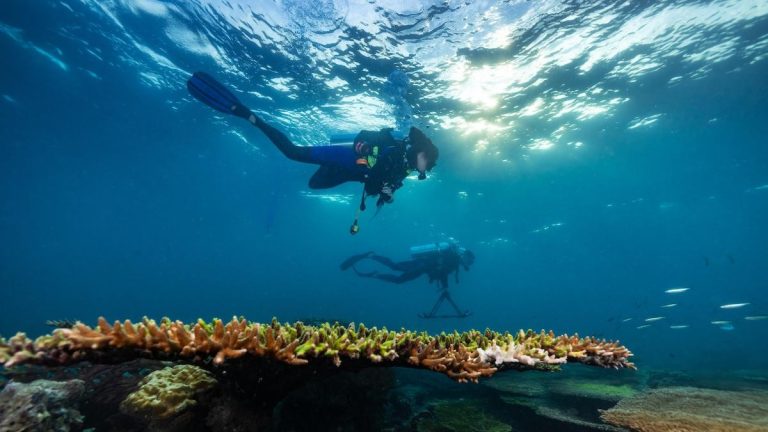
Science et diplomatie se conjuguent en faveur des récifs de l’espoir.
Découvrez des coraux avec une exceptionnelle capacité de résistance au changement climatique!
L’exposition de photos Coraux de mer Rouge nous fait plonger au cœur des missions menées en 2022 et 2023 à Djibouti sous l’égide du Transnational Red Sea Center, en collaboration avec ses partenaires djiboutiens et soudanais, en même temps qu’elle témoigne d’une formidable aventure humaine en cours au confluent des enjeux scientifiques, environnementaux et économiques, mais aussi géopolitiques de notre temps.
AI on the (coffee) table: Ethics and Society in conversation
WORKSHOP
March 5th | 4:30pm – 5:30pm
Forum Rolex
In English
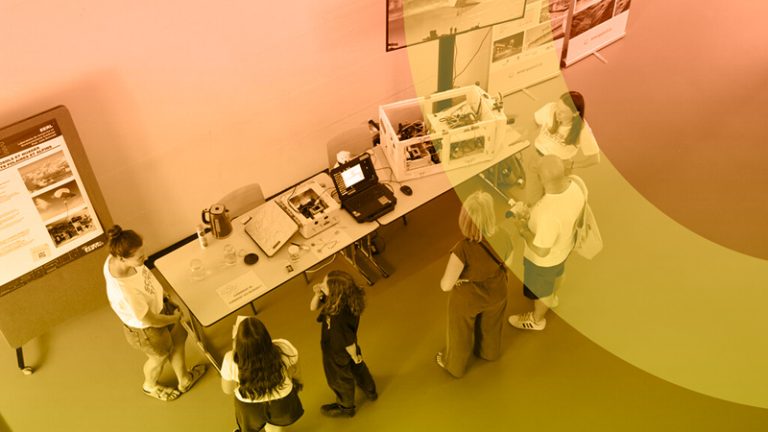
Interactive discussion on the ethical and social challenges of artificial intelligence. The debate will take the form of a World Café, moderated by Dr. Cécile Hardebolle, to encourage the sharing of ideas and collective reflection with the active participation of the EPFL community.
WITH:
Cécile Hardebolle
Lecturer and teaching advisor, EPFL
Sustainable Innovation Challenge (SIC)
PARTNER EVENT
March 5th and 6th
Rolex Learning Center
In English
Contact
Sustainability Days
5–7 March 2026
EPFL, Rolex Learning Center
Information and contact:
Practical information
Location:
Rolex Learning Center
EPFL campus
Lausanne